
The literary world is enriched with genres that entertain readers by offering an amazing escape from the chaotic schedule of life. Sometimes enthusiasts get puzzled while differentiating between genres that seem quite similar. People often confuse dark fantasy and horror. Both have similar things—darkness, fear, and supernatural elements—but they have different goals and create different feelings. This article explains the main differences between horror and dark fantasy, what makes each special, and how they connect.
Defining Horror and Dark Fantasy
Before we compare horror vs. dark fantasy, let’s define each genre clearly:
What is Horror?
Horror is a type of story made to scare or worry people. You will find a perfect combo of surprise, curiosity, mystery, and fear that will keep you on the edge until the reality is revealed. Usually horror stories are based on spine-chilling characters like demons, ghosts, and vampires but sometimes relatable characters such as serial killers intensify dangers. Horror is focused on giving readers chilling vibes and making them uncomfortable with a scary feel.
Examples of horror literature and films include:
- The Shining by Stephen King
- The Exorcist by William Peter Blatty
What is Dark Fantasy?
Dark fantasy is a type of fantasy that includes scary themes, spooky settings, and supernatural horror while still being imaginative. Unlike regular fantasy, which clearly shows good and evil, dark fantasy mixes them together, making it hard to tell who is truly good or bad. It often changes old fairy tales or myths into darker, twisted stories.
Examples of dark fantasy literature and films include:
- The Sandman by Neil Gaiman
- The Last Wish (The Witcher) by Andrzej Sapkowski
The Key Difference Between Horror vs. Dark Fantasy
Although dark fantasy and horror share overlapping themes, they have distinct differences:
1. The Main Purpose of the Genre
- Horror exists to scare. The primary purpose of horror is to create fear, dread, or unease. The world may seem familiar at first, but it soon becomes terrifying.
- Dark fantasy is meant to explore darkness within fantasy worlds. It does not necessarily aim to frighten but instead builds an eerie, unsettling atmosphere.
2. The Role of Supernatural Elements
- Horror often includes supernatural entities as the main threat—ghosts, demons, monsters, or cursed objects.
- Dark fantasy features supernatural beings, but they may not always be the source of fear. Instead, they exist within the world naturally, as part of its mythology.
For example, in The Shining, the supernatural presence of the Overlook Hotel is horrifying because it threatens the sanity of Jack Torrance. In contrast, in The Sandman, supernatural beings like Morpheus are not purely evil or terrifying but are complex characters in a fantasy-driven story.
3. The Mood and Atmosphere
- Horror thrives on tension, dread, and jump scares. It builds up suspense and releases it through shocking events.
- Dark fantasy often has an eerie, gothic, or melancholic atmosphere. It may not rely on outright terror but instead presents a grim or morally ambiguous world.
For example, Pan’s Labyrinth creates an unsettling mood with its dark creatures and eerie storytelling, but it is not outright terrifying like The Conjuring.
4. The Fate of Characters
- Horror often features characters who are doomed, trapped, or suffer greatly. Death, madness, and despair are common themes.
- Dark fantasy allows for more varied outcomes. While dark things happen, there is still room for heroism, redemption, and survival.
For instance, in horror films like Hereditary, the fate of the protagonist is bleak and tragic. Meanwhile, in dark fantasy like Coraline, the young heroine faces terrifying challenges but ultimately prevails.
5. The Presence of Hope
- Horror often strips away hope, leaving the characters in inescapable nightmares.
- Dark fantasy may include hope, even in bleak settings. The protagonists might still achieve something meaningful, even if they face darkness along the way.
Where Horror and Dark Fantasy Overlap
Some stories sit on the line between horror and dark fantasy, making it difficult to classify them into just one genre. These works combine terrifying elements with rich fantasy worlds.
Example of a Story that Blend Horror and Dark Fantasy:
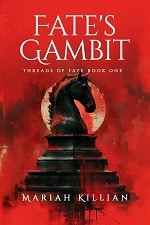
Fate’s Gambit by Mariah Killian
Some authors are really good at mixing horror and dark fantasy into one amazing story. Fate’s Gambit by Mariah Killian is one of those books. It brings both scary and emotional moments together, creating a story that stays with readers even after they finish the last page.
Fate’s Gambit is a story about strength, destiny, and change. Killian takes readers on an amazing journey where fear and imagination mix together, creating a world that is both wonderful and scary. The story happens in a land covered by a dark and mysterious force, where every choice changes the future in unexpected ways. This mix of horror and dark fantasy makes the story exciting, keeping readers both nervous and fascinated.
Unlike regular horror books that only try to scare you, Fate’s Gambit mixes dark fantasy with horror to make the story more exciting and interesting. The creepy settings, magical events, and constant feeling of danger make it a thrilling read. At the same time, the well-developed characters and deep emotions make the story feel more real and meaningful.
One of the best things about Fate’s Gambit is how it creates a strong and mysterious world. Killian’s detailed writing helps readers see a dark and eerie place where every setting adds to the story’s suspense. From spooky forests that seem to whisper secrets to old ruins that hold memories of lost souls, each place is carefully described to make readers feel both curious and uneasy.
The scary parts in the book are not just there to surprise people. They have a bigger purpose in the story. The creepy moments, mind tricks, and ghostly dangers make the characters—and the readers—face the unknown. This mix of fear and curiosity keeps the story exciting, making sure each page brings a new surprise or a spooky twist.
Fate’s Gambit is mainly a story about growing and changing, even though it has scary and dark fantasy parts. The book looks at the idea of fate and if it’s possible to change your destiny. Throughout the story, Killian talks about free will, sacrifice, and the results of the choices we make when we feel hopeless.
The fear in the book isn’t just from outside—it’s also from inside the characters. The fears they face show real-life problems, like feeling unsure of themselves, guilt, and the fight between good and bad inside them. This makes the story more than just scary; it shows what it’s like to be human.
What makes Fate’s Gambit different from other horror and dark fantasy books is how it stays with you. Killian doesn’t just build a scary world; she creates one that makes you think. Readers are not only excited by the plot’s surprises but also touched by its deep emotions and important questions.
Mariah Killian’s Fate’s Gambit shows how powerful stories can be. By mixing horror and dark fantasy, she has written a book that is both creepy and meaningful. With strong descriptions, well-developed characters, and a tense mood, Killian takes readers on a journey that is scary and life-changing.
Which Genre is Right for You?
Choosing between horror and dark fantasy depends on what kind of experience you want:
- If you want a heart-pounding, terrifying experience, go for horror.
- If you prefer a dark and eerie world with complex characters and magical elements, go for dark fantasy.
- If you enjoy a mix of both, look for stories that blend horror and fantasy.
Final Thoughts
Horror and dark fantasy are similar but have different goals. Horror is meant to scare and make you feel uneasy, while dark fantasy builds strange, mysterious, and complicated worlds. Whether you like the scary feeling in a horror book or the dark, beautiful world in dark fantasy, both genres give exciting and special experiences.